

This article has been machine-translated from Chinese. The translation may contain inaccuracies or awkward phrasing. If in doubt, please refer to the original Chinese version.
This newsletter is expected to be updated every Sunday. The website is under construction…
Currently, it is recommended to subscribe to this newsletter’s Quaily RSS via Folo.
WeChat Official Account: FE Bits (前端周周谈), click the original link to view the source.
QQ discussion group 598022684, for daily frontend tech & life discussions, feel free to submit your own articles, casual group with a fan community vibe~
This newsletter is also open-sourced at fe-bits-weekly, feel free to follow.
Today is October 19, 2025, Sunday.
This week I’ve been busy with projects again, working remotely from home every day. After the move, things have finally settled down a bit. I realized it’s been a while since I went on a trip, so I booked a flight to Chengdu on October 29. Planning to stay there for a week and visit Jiuzhaigou Valley over the weekend. Hope everything goes smoothly~ Visiting Jiuzhaigou has been one of my childhood dreams — I want to see the autumn colors there, the colorful forests and the Five Flower Lake during the best viewing season.
It’s quite interesting — when I was in college, I had no money and no time, so I didn’t enjoy traveling. Now I actually find it quite nice to travel around and see different scenery. I’ve grown to love traveling again. In May this year, I spent a month living in Dali, Yunnan, and it felt amazing, so I want to try more different cities.
Ecosystem & Community Updates
-
Unpacking Cloudflare Workers CPU Performance Benchmarks: Cloudflare truly deserves the title of “cyber bodhisattva” — very generous. On October 5, Vercel CEO tweeted about Workers having poor performance, and just one week later, Cloudflare acknowledged the issue, fixed it, published this analysis article, and even helped Vercel speed up in some cases.
-
Firefox 144 Released, with support for View Transitions API Level 1. Now all major browsers support view transitions.
MDN published a beginner-friendly CSS View Transitions Getting Started Guide to help developers understand the basics of view transition animations.
-
Bun 1.3: The largest version update with “full-stack runtime” as its core positioning. Bun 1.3 aims to build Bun into an all-in-one full-stack JavaScript runtime.
-
React Native 0.82: Officially the first version to run entirely on the “New Architecture,” marking the end of the old architecture era. This version introduces the experimental Hermes V1 engine, defaults to React 19.1.1 integration, and adds DOM Node APIs support, allowing native components to be accessed using DOM-style methods.
-
Next.js 16 (beta): Next.js 16 beta released, fully introducing stable Turbopack, improved caching system and routing architecture, with React Compiler and React 19.2 feature support, improved default configuration, and removal of old experimental features.
-
Node.js v25.0.0 Released: Upgrades V8 to 14.1, bringing major performance improvements, built-in base64/hex conversion, and ongoing WebAssembly and JIT pipeline optimizations. Enables Web Storage by default, adds
--allow-netpermission parameter, and improvesJSON.stringifyperformance.
Articles & Videos
-
How to Optimize Mobile Viewport for Faster Interaction: Explains how to optimize the mobile viewport to reduce tap delay, improve interaction speed and performance, using the Qatar Airways website as a counter-example analyzing common pitfalls.
-
50 Reasons to Build a Website: Answers “why build a website in 2025” with 50 life-inspired reasons. I love these reasons.
“Your band needs a website, that’s for sure” “You just got into birdwatching and you want a website to post the cool birds you’ve seen” “You think web technology can be a tool for artists, like oil paints and canvas. You make websites like a painter paints”
-
Why typeof null === object: A particularly deep analysis explaining why
typeof nullreturnsobjectin JavaScript. The author reconstructs the early C language implementation and source code macro definitions, revealing that the root cause ofnullbeing identified as an object was alignment and tagging conventions in early 32-bit systems. Although this issue could be easily fixed, considering the enormous compatibility impact, the standards committee chose to preserve this behavior, making it a classic legacy of the language’s history. -
HTML’s Best Kept Secret: The Output Tag: Introduces the little-known but powerful
<output>tag in HTML, which can naturally display calculation or user action results on web pages with built-in accessibility support, yet has been consistently overlooked. -
The Hidden Cost of URL Design: The author recounts a decision made while building an e-commerce platform for a client, choosing “clean flat” URL structures over hierarchical paths. While it improved user experience, it led to backend performance degradation and increased operational costs.
When we designed an e-commerce platform for a client, we made a seemingly simple, user-friendly decision: use clean flat URLs. Products at /nike-air-zoom, categories at /shoes, pages at /about-us. No prefixes, no /product/ or /category/ clutter. The paths were simple and felt minimalist.
This hastily made decision, without proper discussion, later cost us hours of optimization. The problem wasn’t the URLs themselves. The problem was that we treated URL design as a UX decision when it was actually a fundamental architectural decision with cascading technical implications. Every request to the application triggered two backend API calls. Every bot crawling malformed URLs hit the database twice. Every 404 was expensive.
This article isn’t about URL best practices you’ve read a thousand times (keep URLs short, avoid special characters, use hyphens instead of underscores). It’s about the rarely discussed topic: how URL structure shapes your entire application’s architecture, performance characteristics, and operational costs.
-
The Killer Feature of Web Components: An in-depth introduction to Custom Elements Manifest (CEM) — a community-driven JSON standard in the Web Components ecosystem for automatically extracting and sharing component API information. The author considers CEM to be “Web Components’ killer feature.”
-
Implementing Dark Mode Toggle Without JavaScript: Introduces how to implement a dark mode toggle supporting both system and manual switching using only CSS and HTML, with optional JavaScript enhancement.
CSS New Features
-
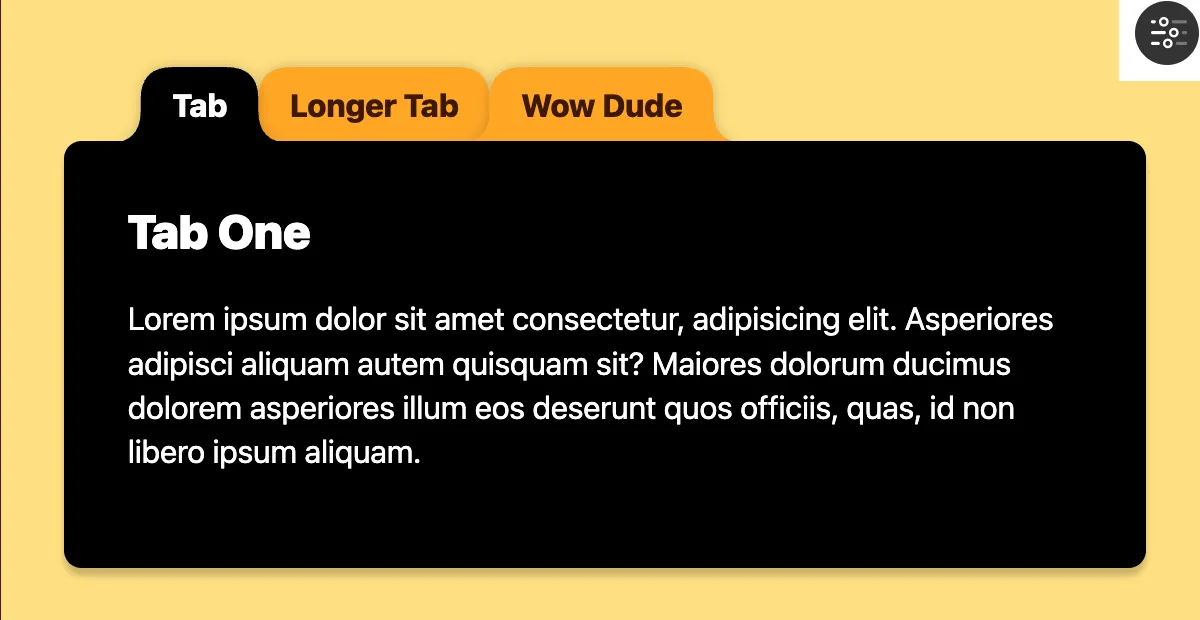
Modern CSS Round-Out Tabs: Reimplementing “round-edged tab” designs using modern CSS’s shape() function, drawing complex curved interfaces without extra elements. Codepen Example
-
Dynamic Tooltip Position with Anchor Positioning II: Introduces how to use CSS’s anchor positioning system to make tooltips intelligently auto-adjust their position in four directions while keeping the arrow pointing at the anchor. In the previous article, a tooltip that toggles between top and bottom was created. Now the code can be adjusted to toggle between four positions (top, bottom, left, and right). Regardless of the tooltip’s position, it always points to the anchor.
-
Transitioning to the Other Side with Container Query Units: Using CSS container-level dimension units (like
cqiandcqb), elements can dynamically calculate movement distances based on the parent container, achieving flexible, performant, and semantically clear animation effects.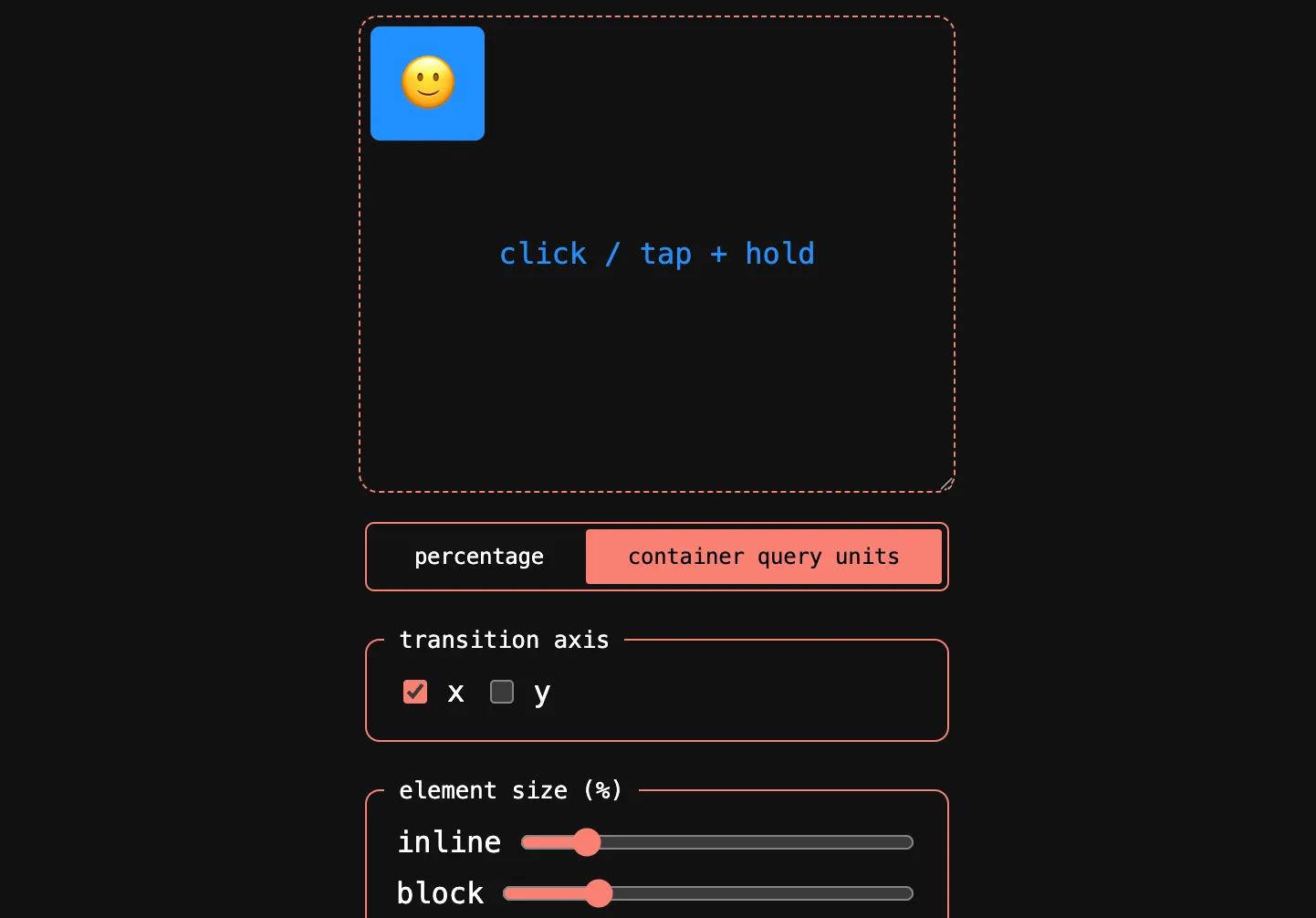
Fun Projects & Tools
-
olegshulyakov/llama.ui: A minimal interface for AI Companion that runs entirely in your browser.: An open-source local AI chat interface based on
llama.cppthat runs entirely in the browser, focusing on privacy, simplicity, and ease of use. It supports multiple model services (such as LM Studio, Ollama, vLLM, OpenAI, etc.) with a modern interface, Markdown rendering, LaTeX math formulas, theme switching, and session management.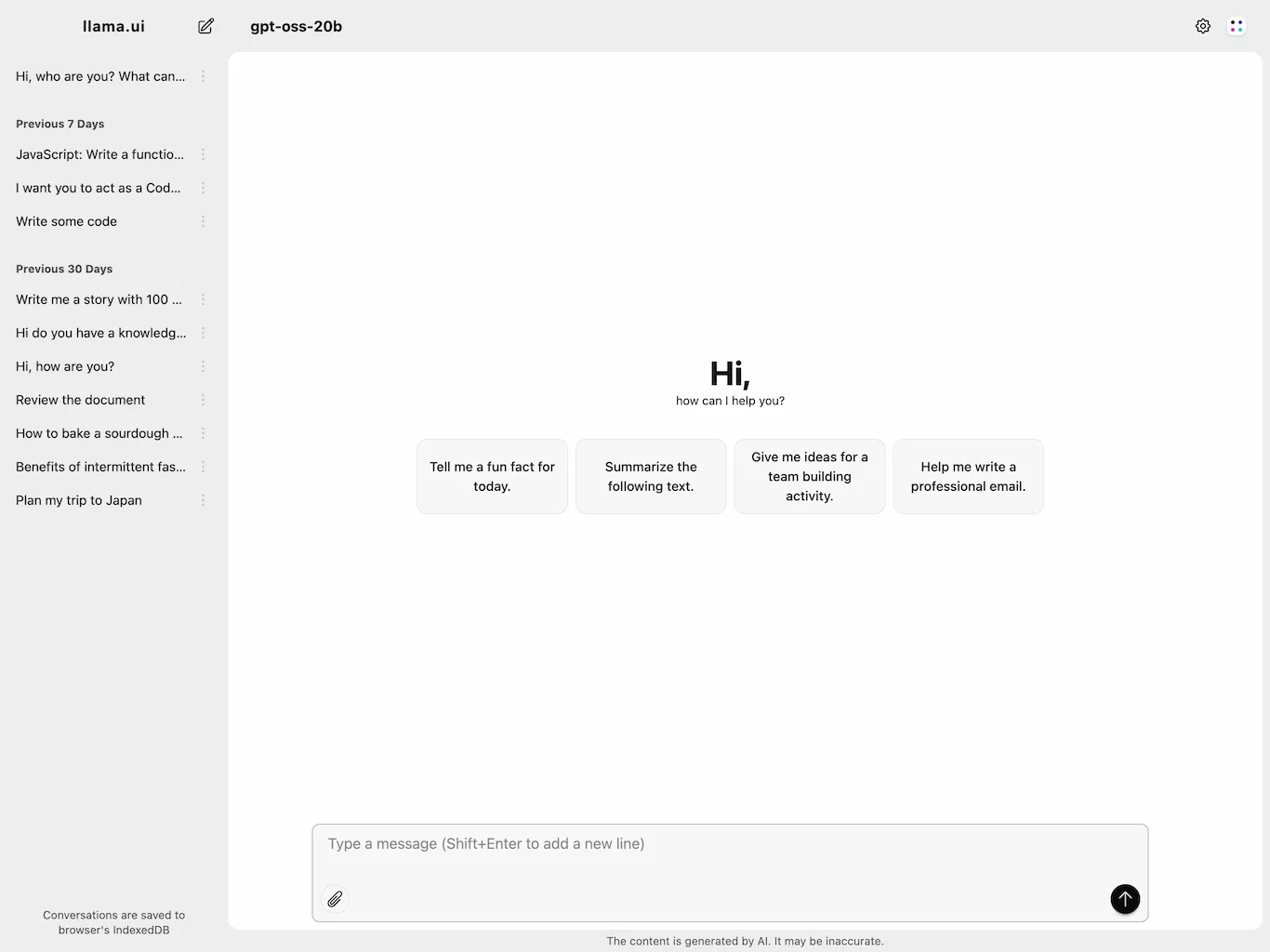
-
rictic/jsonriver: A lightweight, high-speed streaming JSON parser based on JavaScript standard features that progressively generates complete values from data streams in real time.
-
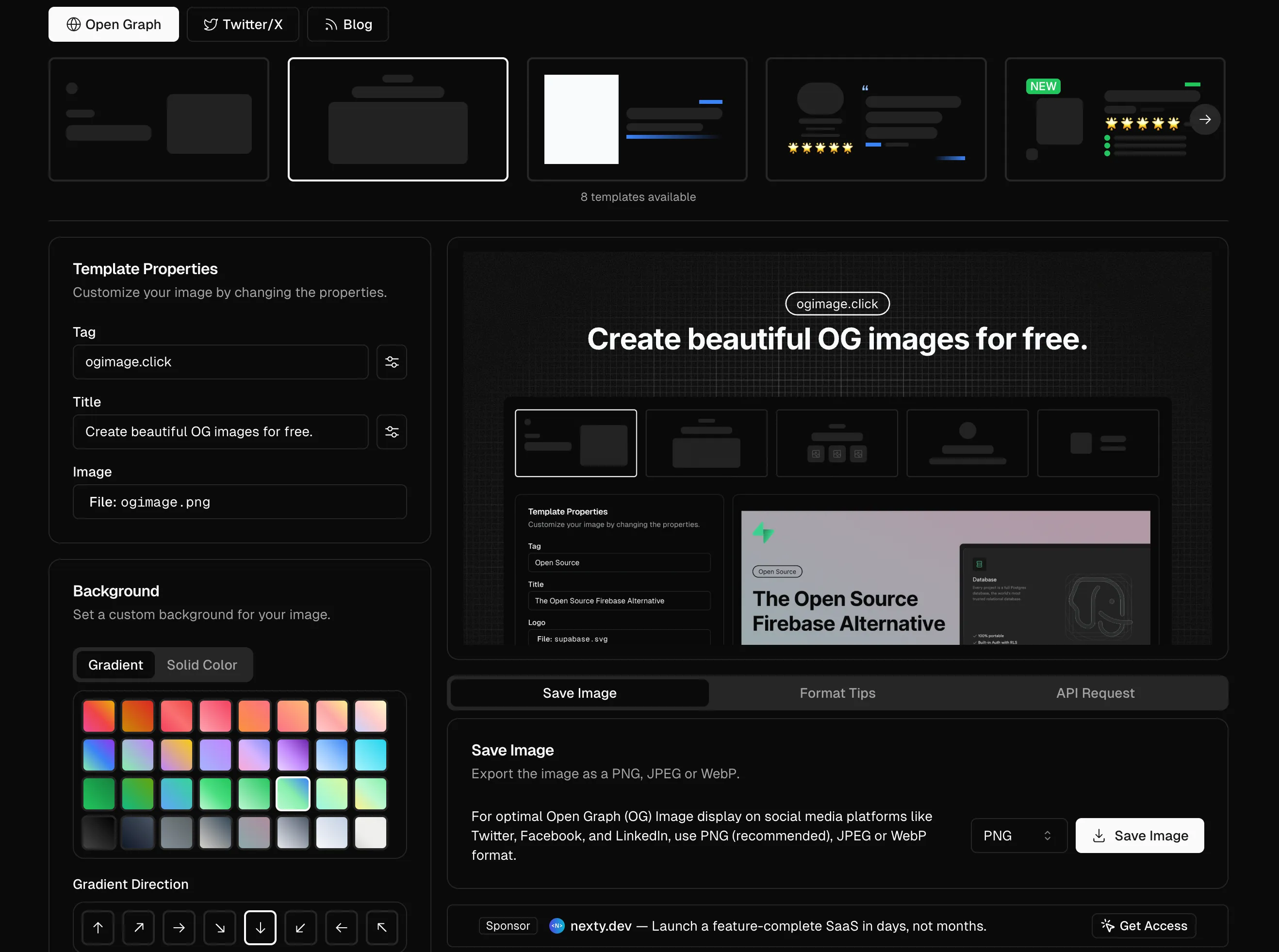
weijunext/ogimage-click: Another open-source online tool for quickly generating beautiful Open Graph images, supporting real-time preview and multiple export formats.
CodePen Picks
-
Pure CSS angled columns layout options: Ana Tudor showcases three CSS angled column layout techniques — two based on
clip-pathand a third usingtransform: skew, with clear annotations. The third method skews the container, then counter-skews the images.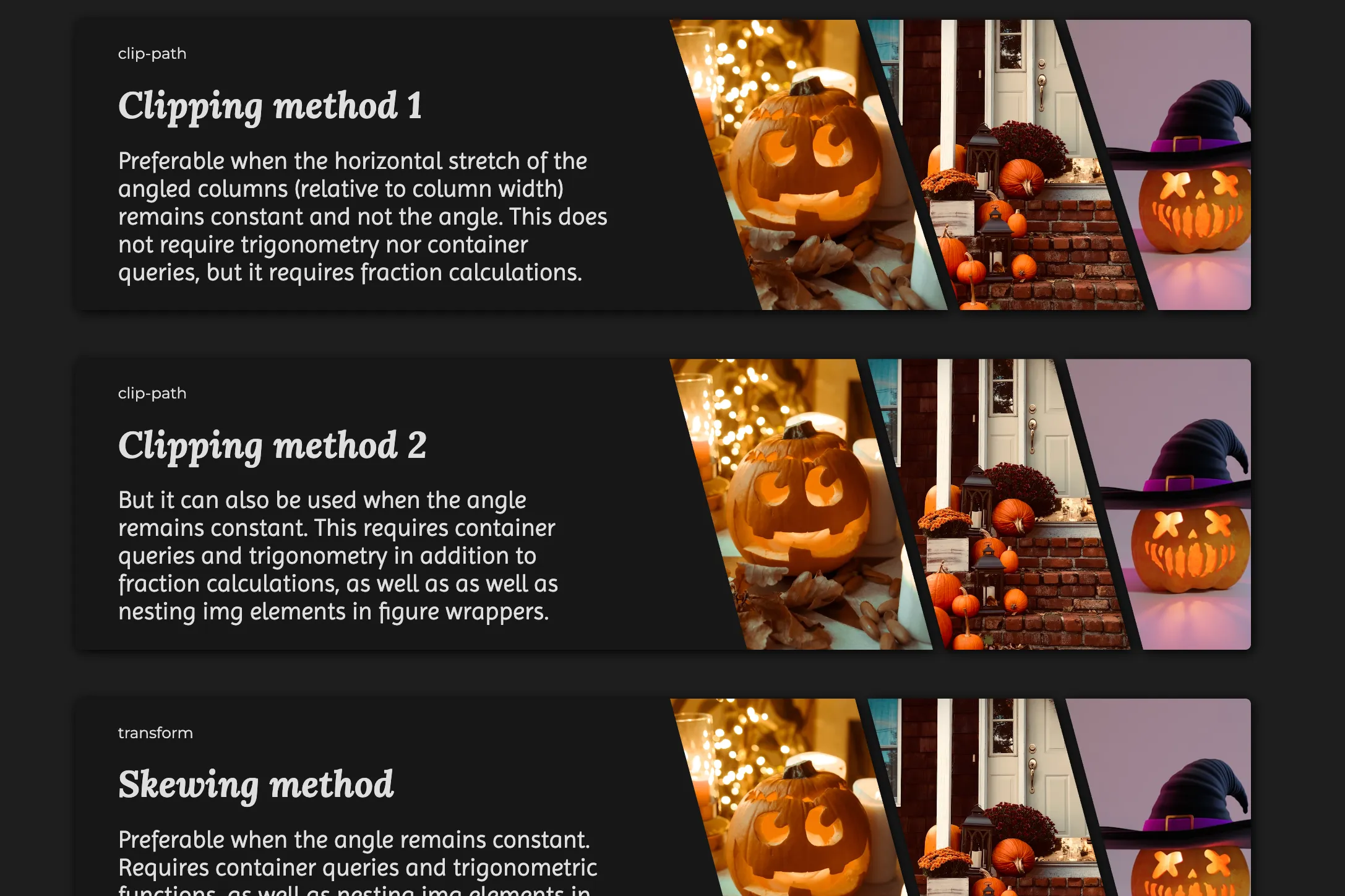
-
Juicy: Another subsurface scattering experiment by Matthias Hurrle, simulating a fruit candy-style Rubik’s cube.

-
404 Error Face: Jon Kantner, based on Camo Creative’s design, turned a 404 error page into a looping animation, using playful visuals to ease user experience frustration.

喜欢的话,留下你的评论吧~